Root Canal Treatment
Saving your natural tooth, relieving pain and restoring function
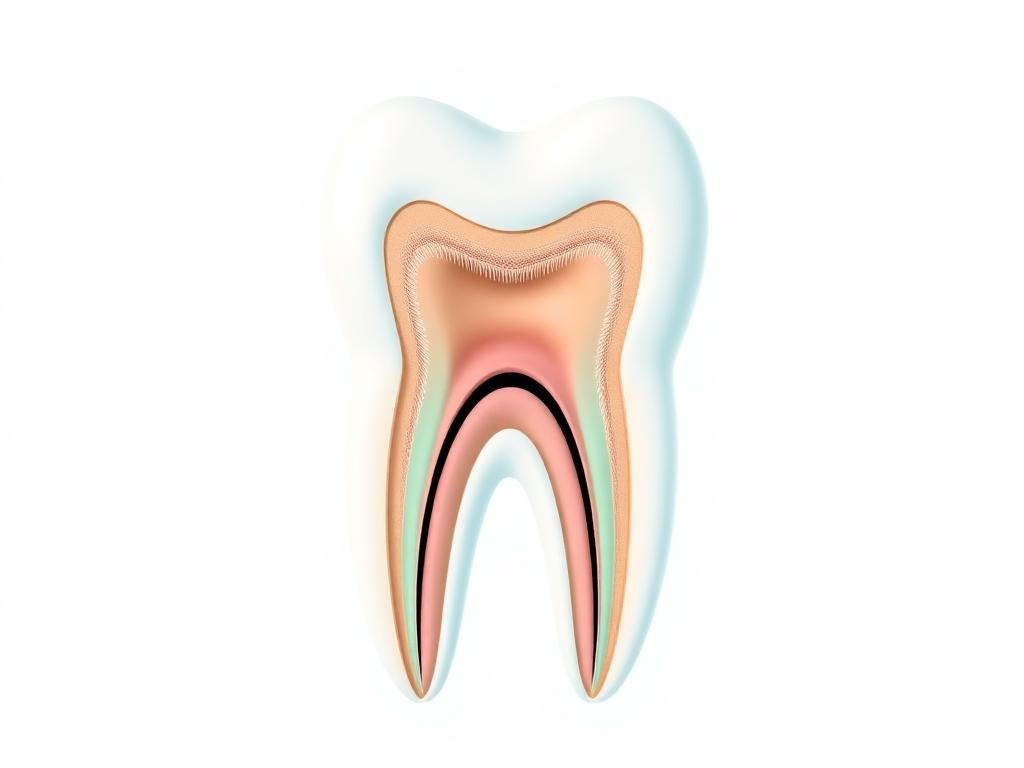
A root canal treatment, also known as endodontic treatment, is a procedure performed to treat inflammation or infection within the pulp of a tooth.
When the pulp becomes irreversibly inflamed or infected, root canal treatment can remove the diseased tissue, clean and disinfect the root canal system, seal it, and allow the natural tooth to be restored and retained in function.
“Treat the disease while preserving your natural tooth whenever possible.”
When might you need a root canal?
Root canal treatment may be recommended when the pulp has been significantly damaged by:
- Deep dental decay
- A crack or fracture
- Dental trauma
- Repeated dental procedures
- Extensive or defective restorations
- Previous injury to the tooth
Sometimes a tooth requiring root canal treatment may be painful, while in other cases there may be few or no obvious symptoms.
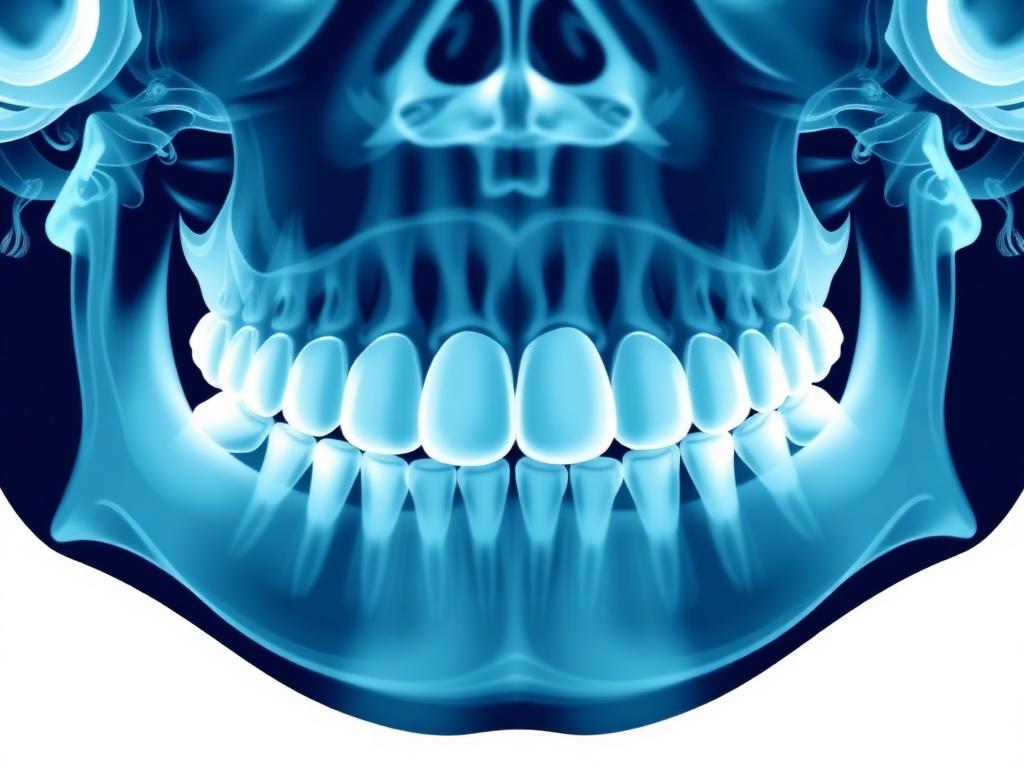
A clinical examination and appropriate radiographic assessment are therefore important before deciding on treatment.
Symptoms that may indicate a problem
You may experience:
- Persistent toothache
- Prolonged sensitivity to hot or cold
- Pain while biting or chewing
- Swelling or tenderness around the tooth
- A recurring gum boil or sinus tract
- Discoloration of the tooth
- Deep decay or a fractured tooth
“Absence of pain does not always mean that the tooth is healthy.”
What happens during root canal treatment?
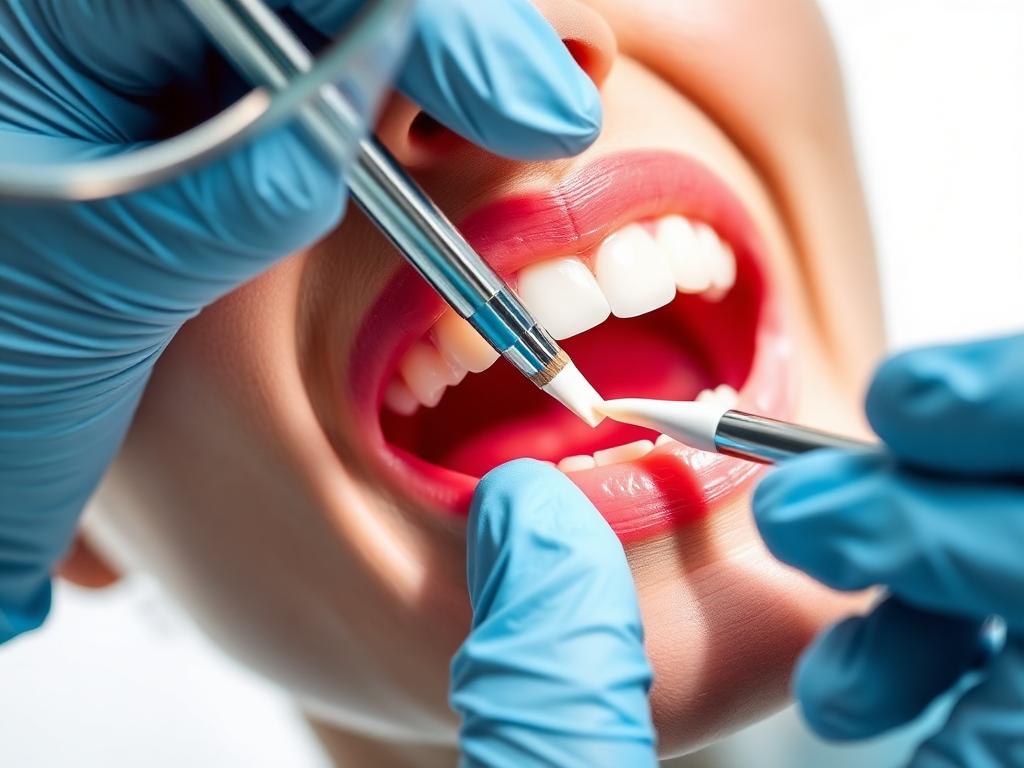
Root canal treatment involves carefully treating the inside of the tooth.
1. Diagnosis & treatment planning
Your symptoms, clinical findings and radiographs are evaluated to determine the condition of the tooth and whether it can be predictably restored.
2. Local anaesthesia
The tooth is carefully anaesthetised to make the procedure comfortable.
3. Isolation
The tooth is isolated, typically using a rubber dam, to help prevent contamination of the treatment area and protect the patient during the procedure.
4. Cleaning & shaping
The infected or inflamed pulp is removed. The root canal system is carefully cleaned and shaped using appropriate endodontic instruments and irrigation.
5. Filling & sealing
Once adequately cleaned and prepared, the canal system is filled and sealed to help prevent reinfection.
6. Final restoration
The tooth then requires an appropriate definitive restoration to restore function and protect the remaining tooth structure.
Depending on the tooth and its structural condition, this may involve a filling, onlay, crown or another suitable restoration.
Is root canal treatment painful?
This is one of the most common concerns patients have.
Modern root canal treatment is performed under local anaesthesia, and the procedure is generally comfortable.
Some tenderness or mild discomfort may occur after treatment and usually settles as the tissues recover.
If you are anxious about dental treatment, let us know. We can discuss ways to make your treatment experience as comfortable as possible.
Why save the natural tooth?
Whenever a tooth has a reasonable prognosis, preserving the natural tooth can offer important functional benefits.
A successfully treated and appropriately restored natural tooth can continue to:
- Support normal chewing
- Maintain natural tooth-to-tooth contact
- Help preserve the existing bite
- Maintain the surrounding dental structures
- Function as part of your natural dentition
“Root canal treatment is therefore not simply about treating pain—it is about preserving the tooth and restoring it to function.”
Root Canal Treatment or Extraction?
When a tooth is restorable and has a reasonable prognosis, root canal treatment may provide an opportunity to retain the natural tooth.
Extraction removes the diseased tooth, but replacing the missing tooth may subsequently require additional treatment such as an implant, bridge or removable prosthesis.
The appropriate choice depends on the condition of the tooth, periodontal support, restorability, overall prognosis, your expectations and other clinical factors.
“We believe treatment decisions should be individualised—not one-size-fits-all.”
What happens after a root canal?
Root canal treatment addresses the disease inside the tooth, but the tooth still needs appropriate restoration and maintenance.
Your dentist will recommend the most suitable restoration based on:
- Amount of remaining tooth structure
- Tooth location
- Functional demands
- Other clinical considerations
Continue with:
- Good oral hygiene
- Regular dental examinations
- Healthy lifestyle and dietary habits
- Appropriate restorative care
A root canal-treated tooth can continue to function as part of your natural dentition when appropriately treated, restored and maintained.
Frequently Asked Questions
Does every toothache require a root canal?+
No. Tooth pain can have many causes. A proper clinical examination is necessary to establish the diagnosis before treatment is recommended.
Can a root canal be done in one appointment?+
Sometimes. The number of appointments depends on factors such as the tooth involved, anatomy, diagnosis, infection status, treatment complexity and clinical circumstances.
Will my tooth be completely normal after a root canal?+
The tooth can continue to function, but it may require a definitive restoration to protect the remaining tooth structure. Your dentist will advise you based on your individual case.
Can a root canal fail?+
Like any medical or dental procedure, root canal treatment does not have a 100% guarantee of success. Persistent or recurrent disease can occur and may require further assessment and, in selected cases, retreatment or surgical endodontic treatment.
Is root canal treatment safe?+
Root canal treatment is an established dental procedure with a long history of clinical use. Current evidence supports its effectiveness in managing pulpal and apical disease and preserving teeth.
Your Natural Tooth Matters
A root canal is not simply a procedure to “remove the nerve.”
It is a carefully planned treatment designed to eliminate disease within the root canal system, preserve the natural tooth, and restore function.
If you have persistent tooth pain, sensitivity, swelling or a damaged tooth, don't wait for the symptoms to worsen.
“Early assessment can help determine whether your natural tooth can be preserved.”
Book a Root Canal Consultation
Let's assess your tooth and discuss the treatment options that are right for you.